
Sleep Health Intelligence · Australia
Your sleep,
finally
understood.
Zenna combines clinical sleep science, biometric tracking and personalised coaching to help Australians measure, understand and improve the quality of their sleep — night by night.


The Science
Sleep is the most powerful performance variable you are not measuring.
Decades of peer-reviewed research from Harvard, Stanford, Oxford and the Sleep Health Foundation confirm that sleep quality is the single most determinative factor in cognitive function, metabolic health, emotional regulation and longevity.
Cognitive Performance
Even moderate sleep restriction — six hours per night for two weeks — produces cognitive deficits equivalent to two nights of total sleep deprivation, while subjects remain largely unaware of their impairment. Decision quality, working memory, reaction time and creative problem-solving are all measurably degraded by sleep debt.
Cardiovascular Health
Short sleep duration is independently associated with a 45–48% increased risk of coronary heart disease, even after controlling for other cardiovascular risk factors. Heart rate variability during sleep is one of the strongest predictive indicators of cardiovascular resilience.
Metabolic Function
One week of sleep restriction to six hours produces glucose tolerance impairment equivalent to pre-diabetic states, reduces the satiety hormone leptin by 18%, and raises the hunger hormone ghrelin by 28% — driving caloric overconsumption even in otherwise healthy individuals.
Physical Recovery
Deep slow-wave sleep is the period when human growth hormone is released, muscle repair occurs, and the glymphatic system clears metabolic waste from the brain — including the amyloid-beta plaques associated with Alzheimer's disease.
Circadian Alignment
Your circadian rhythm governs the timing of every biological process in the body — hormone release, immune function, cell division and gene expression. Misalignment from irregular schedules, late light exposure or mistimed eating degrades sleep quality even when total duration is adequate.
Personal Benchmarking
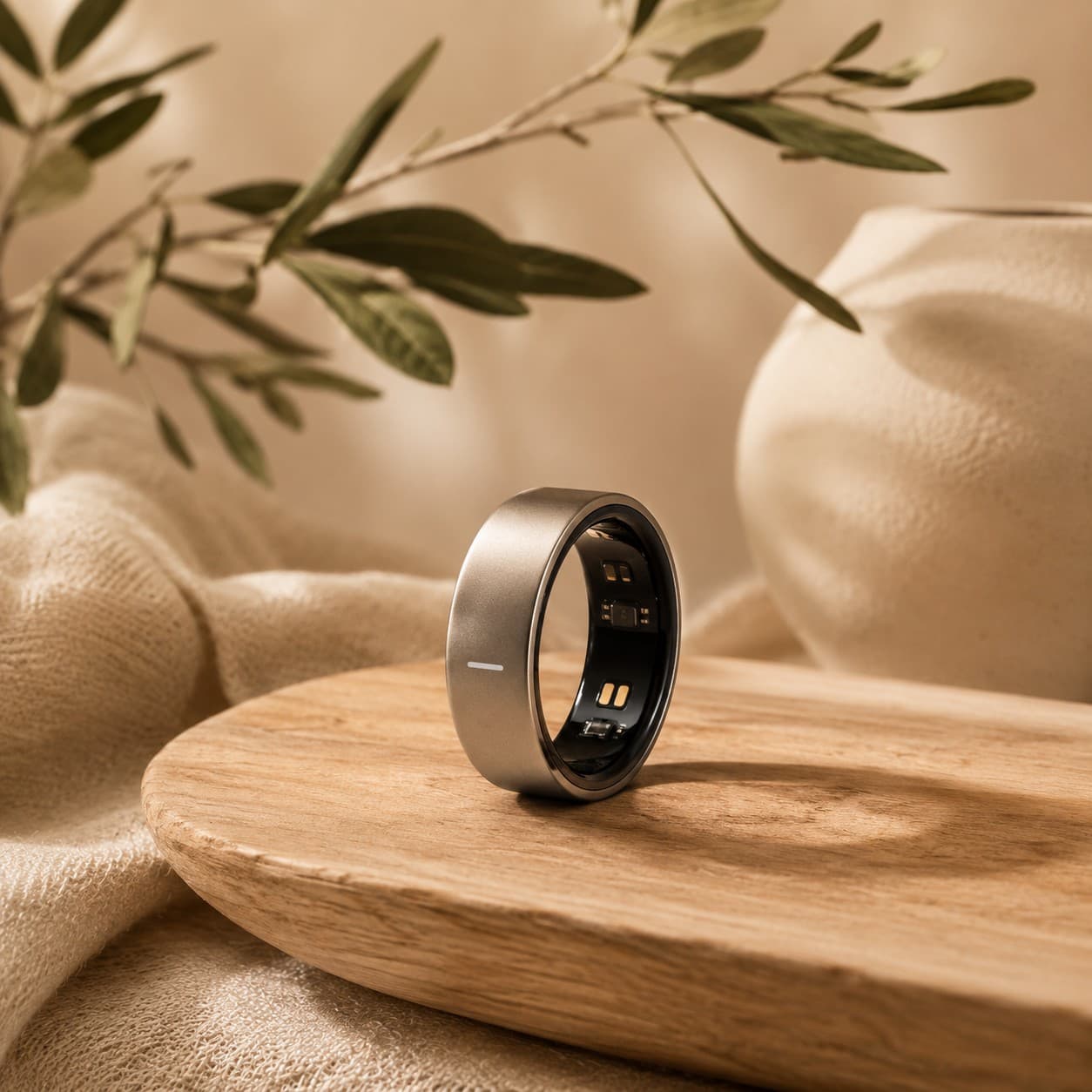
Population sleep norms are poor predictors of individual optimal sleep. Elite performers in science, sport and business consistently show distinctive sleep patterns that deviate significantly from population averages. Zenna builds your personal 30-night baseline.
Clinical Foundation
Not wellness advice.
Sleep science.
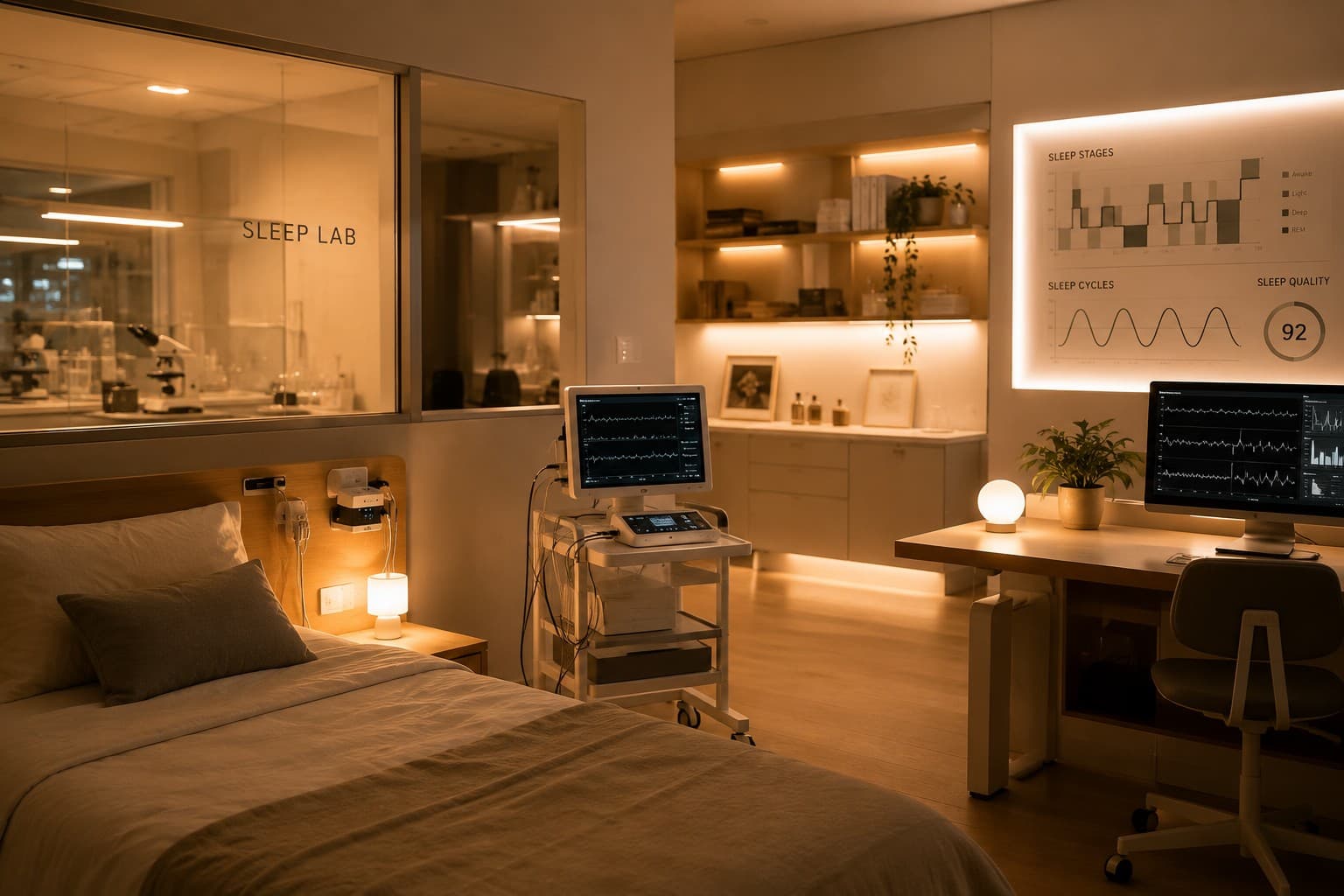
Zenna assessment protocols are built on the same frameworks used in clinical sleep medicine — polysomnography analysis, circadian biomarker assessment and evidence-based behavioural intervention. We translate that clinical rigour into a programme you can follow at home.
Compatible with Oura Ring, Apple Watch, WHOOP, Garmin and Fitbit
30-night personalised baseline built from your own biometric data
Weekly coaching calls with sleep health practitioners
Benchmarked against clinical sleep medicine standards
Sleep Architecture
What your sleep stages are actually telling you.
Most people know they slept eight hours. Almost nobody knows how much was deep sleep, REM or light — or what those proportions mean for how they will feel and perform tomorrow.
Physical restoration, growth hormone release, memory consolidation. The most restorative stage — suppressed by alcohol, stress and poor sleep timing.
Emotional processing, creative insight and procedural memory. REM cycles lengthen through the night — making final hours of sleep the most cognitively valuable.
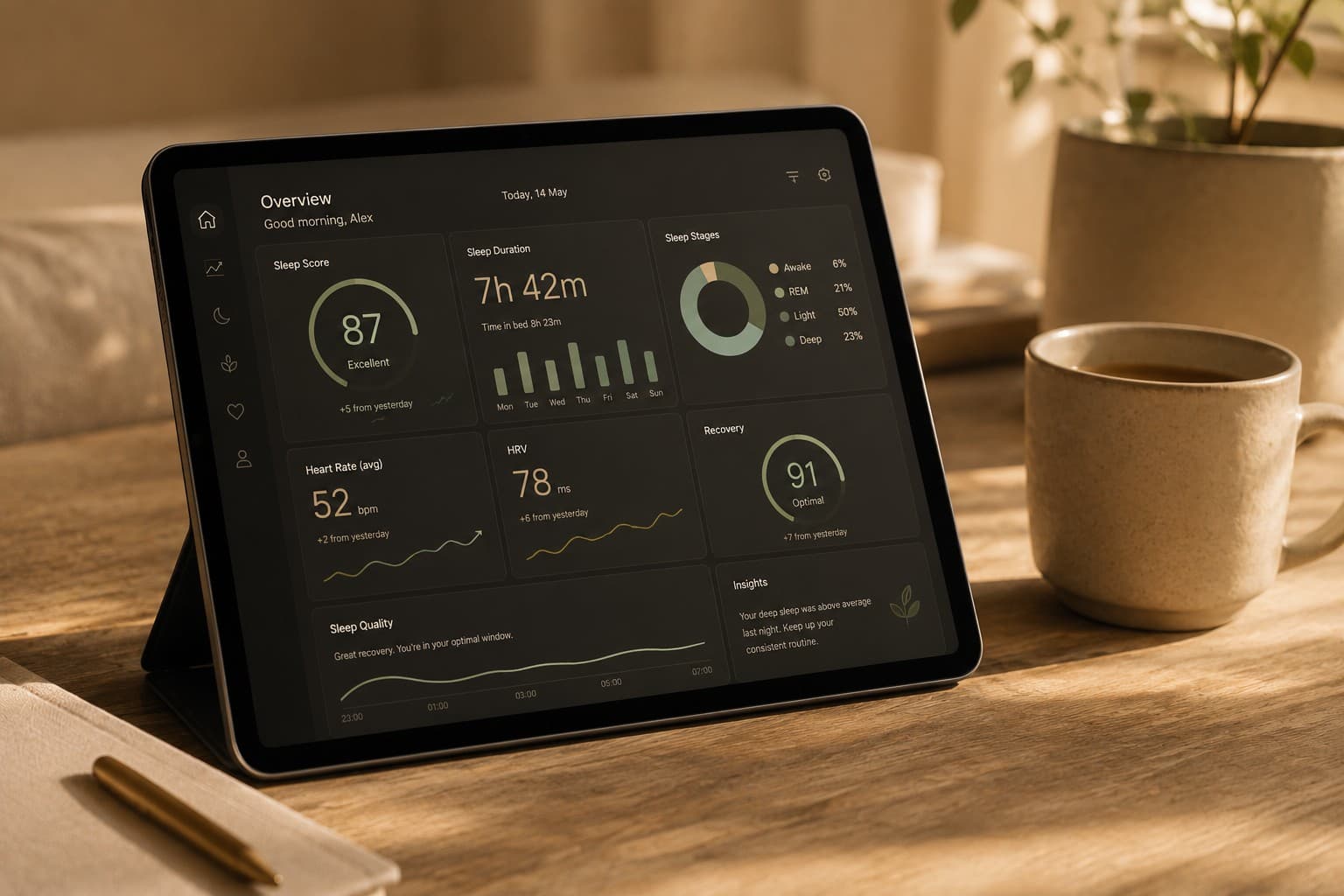
Zenna insight: Deep sleep (22%) is above population average. HRV peaked at 2:30am during your longest deep sleep cycle. Late screen exposure at 10:48pm likely compressed your first REM cycle. Removing screens by 9:30pm is projected to add 18–22 minutes of REM.
Sleep Health Check
How well are you really sleeping?
Answer five questions to receive your preliminary sleep health score and personalised recommendations.
Your Sleep Health Check
Five questions · Takes 90 seconds · Instant results
1. How long does it typically take you to fall asleep?
2. How do you typically feel within an hour of waking?
3. How often do you wake during the night?
4. How consistent is your sleep and wake time?
5. How would you rate your daytime energy and focus?
Research Foundation
Built on three decades of sleep science.
Zenna algorithms and coaching protocols are grounded in peer-reviewed research from the world's leading sleep institutions — not wellness trends.
The Cumulative Cost of Mild Sleep Restriction
Two weeks of sleep restricted to six hours per night produces cognitive deficits equal to two nights of total sleep deprivation — while subjects rate their sleepiness as only slightly elevated.
Sleep Loss, Hormonal Dysregulation and Appetite
Sleep restriction to six hours for one week elevated evening cortisol, reduced leptin by 18%, increased ghrelin by 28%, and produced glucose tolerance impairment clinically equivalent to early-stage type 2 diabetes.
Short Sleep Duration and Coronary Heart Disease
A meta-analysis of 15 prospective cohort studies encompassing 474,684 participants found that short sleepers had a 48% greater risk of developing or dying from coronary heart disease.
Sleep and Amyloid-Beta Clearance
The brain's glymphatic waste clearance system is primarily active during deep slow-wave sleep, clearing amyloid-beta and tau proteins associated with Alzheimer's disease. Even one night of sleep deprivation measurably increases amyloid-beta accumulation.
Sleep Extension and Athletic Performance
Stanford basketball players who extended sleep to ten hours per night for five to seven weeks improved sprint times by 5%, shooting accuracy by 9%, and reaction time by 0.79 seconds.
The Cost of Inadequate Sleep in Australia
Deloitte Access Economics estimated the total cost of inadequate sleep in Australia at $66.3 billion annually — encompassing healthcare costs, lost productivity and reduced wellbeing across 7.4 million Australians.
Device Integration
Works with the devices you already own.
Zenna integrates with Australia's most popular sleep tracking wearables, pulling your biometric data into a unified sleep intelligence dashboard.
Oura Ring
Full sleep stage, HRV, body temperature and readiness score integration
Apple Watch
Sleep stages, heart rate, blood oxygen and respiratory rate
WHOOP
Strain, recovery, sleep performance and HRV trending
Garmin
Body Battery, sleep score, advanced sleep monitoring
Fitbit
Sleep stages, heart rate variability and skin temperature
The Programme
Thirty nights. A lifetime of better sleep.
The Zenna Sleep Assessment is a structured 30-night programme combining wearable data analysis, sleep diary tracking and practitioner-guided coaching.
Baseline Assessment
A comprehensive sleep health questionnaire, circadian profile assessment and wearable device integration. Your first week establishes the baseline we measure everything against.
Data Collection
Nights 2–14 collect your sleep stage data, HRV, body temperature patterns and daily behavioural factors — building the richest picture of your sleep architecture available outside a clinical lab.
Pattern Analysis
Our analysis identifies your personal sleep architecture benchmarks, your circadian chronotype, the specific factors suppressing your deep sleep and REM, and your HRV response to different behaviours.
Coaching & Optimisation
Weeks 3 and 4 introduce evidence-based interventions tailored precisely to your pattern — sleep timing adjustments, light management, temperature optimisation, and CBT-I techniques where indicated.
Outcomes Report
At day 30, you receive your comprehensive Zenna Sleep Report — a clinical-grade analysis, personalised sleep prescription, and ongoing optimisation roadmap.

The Outcome
What optimised sleep actually feels like.
Sleep optimisation is not about sleeping more. It is about sleeping better — and the difference is measurable. Zenna members who complete the 30-night programme report consistent, quantifiable improvements across every domain of daily performance.
Member Outcomes
What happens when you finally understand your sleep.
Australians who have completed the Zenna 30-night sleep assessment programme.
“I thought I was a bad sleeper. Zenna showed me I was a good sleeper with a terrible pre-sleep routine. Eight weeks later I am a different person — clearer, calmer, more energised than I have been in years.”
Sarah M. · Marketing Director · Sydney
“The data is confronting at first. Seeing exactly how much deep sleep I was losing to even moderate alcohol intake changed my habits immediately. As a GP I understood the science — but seeing my own data made it real.”
James T. · General Practitioner · Melbourne
“I track everything as an athlete — training load, nutrition, heart rate. Sleep was the only gap. Zenna filled it. My recovery scores improved faster in the first month than in any other intervention I have tried.”
Priya K. · Triathlete · Brisbane
Sleep Insights
The Zenna Sleep Journal.
Evidence-based writing on sleep science, circadian biology and optimisation — without the wellness industry noise.

Why the Last Two Hours of Sleep Are the Most Valuable
REM sleep cycles lengthen through the night, meaning the final sleep cycles contain disproportionately more REM than earlier ones. Cutting sleep short by even 90 minutes removes the most cognitively restorative period of the night.
Your Chronotype Is Not a Preference — It's a Biology
Whether you are a morning lark or a night owl is largely determined by genetics, not habit. Fighting your chronotype creates chronic circadian misalignment — and the health consequences are measurable.
The Australian Executive Sleep Crisis: What the Data Shows
A Zenna analysis of 847 Australian professionals found that executives in high-stress roles average 5.9 hours of sleep per night — and have 31% less deep sleep than population benchmarks.
Begin Your Assessment
30 nights to understand your sleep.
A lifetime to benefit from it.
The Zenna Sleep Assessment combines wearable data integration, personalised practitioner coaching and clinical benchmarking to build a complete picture of your sleep health.
Start Your Sleep Assessment
We respond within one business day.